Progress over perfection

I love native Texas landscapes; you don’t have to sell me on the value of a sense of place. My fondest memories are exploring natural wild spaces and undeveloped lands across the state.
Even with that perspective, I don’t recommend that anyone set the goal of planting 100% native species in their yard and garden, especially for beginner gardeners.
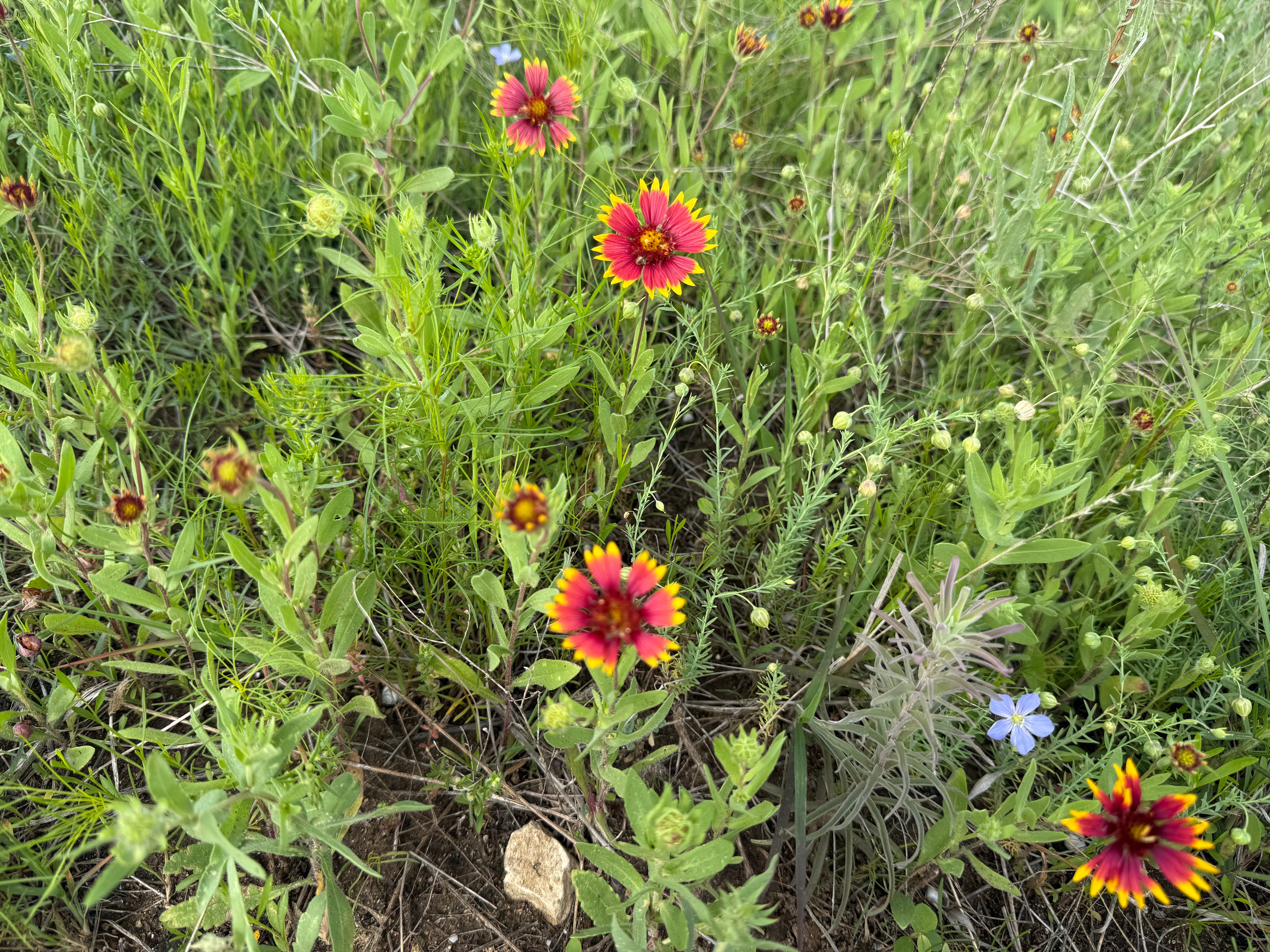
The native plant supply chain is still in its infancy, and the need for water-wise landscapes is not new; we’ve been behind on this for a long time. What we have to keep in mind is that waiting for conditions that yield perfect availability, perfect knowledge, and perfect systems only delays progress.
There are also limitations on the service side. If you install a native landscape today, you should expect to take an active role in maintaining it. The landscaping industry is still catching up, and it can be difficult to find crews who are familiar with the care and management of native plants. That gap will close over time, but we are not there yet.
This is where adaptive plants and cultivars come in. Many are drought-tolerant, require low irrigation, and are widely available through commercial nurseries. They can help bridge the gap, filling in where native plant availability falls short and making water-wise landscapes more accessible.
Do they provide the same level of habitat as native plants? No. But they still provide some benefit, and some is better than none. An all-or-nothing approach often leads to inaction. If the expectation is perfection, we cannot be surprised when the outcome is failure.
Instead, let the value of “progress” be your guiding light. Set practical goals. Aim for 90% native plants in your plant palette, and be satisfied with 70% as you learn what works in your space. Build your landscape over time rather than all at once. The main goal is to set yourself up for long-term success as a conscious gardener.
Plan your installation around local opportunities, like the Permian Basin Master Gardener plant sale. Ask your local nurseries to carry specific native plants. They won’t know there is demand unless we demonstrate it. Support growers and organizations that are working to expand the native plant market.
Water-wise, place-based landscapes will not happen overnight. They will be built gradually, through informed choices and consistent demand. Every plant you choose contributes to that shift.
You don’t have to do everything at once. You just have to start.